S01-E02
How to Start Boxing Training
Ready to start boxing training in Sydney? This complete beginner's guide covers what to expect, what you need, and how to get started at Team L.A.U in Homebush West.
S01-E02
March 7, 2026
How to Start Boxing Training — A Complete Beginner's Guide
Starting boxing training is one of the best decisions you can make for your fitness, your mental health, and your confidence. But knowing exactly how to get started — what gym to join, what equipment you need, and what to expect when you walk through the door — can feel unclear if you've never done it before.
This guide covers everything you need to know to start boxing training in Sydney, from your very first session through to your first month of consistent training.
Step 1 — Find the Right Boxing Gym
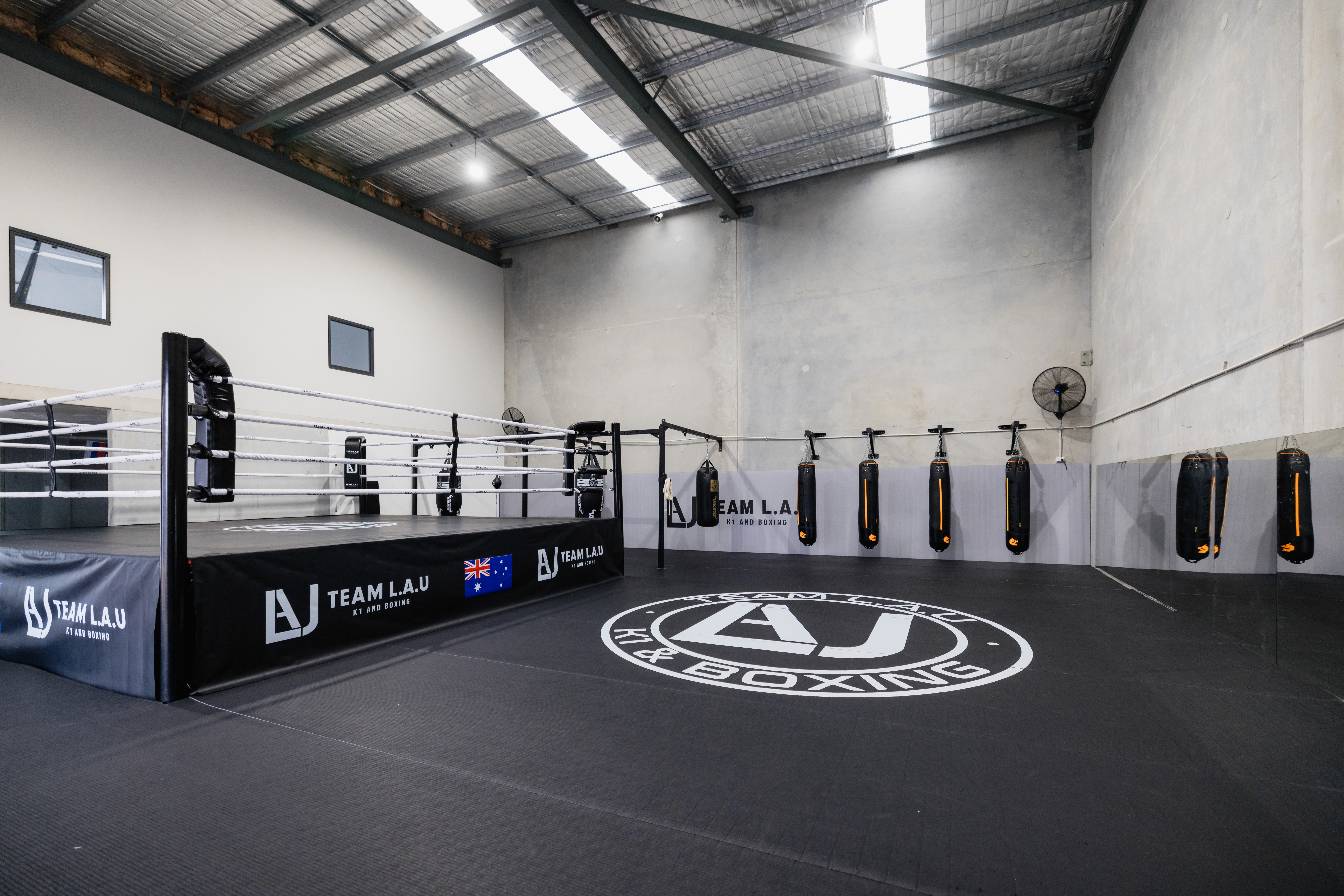
Not all boxing gyms are the same. Some cater primarily to competitive fighters. Others are fitness-focused. The right gym for a beginner is one that offers structured beginner classes, experienced coaches who enjoy working with new students, and a welcoming environment where you won't feel out of place.
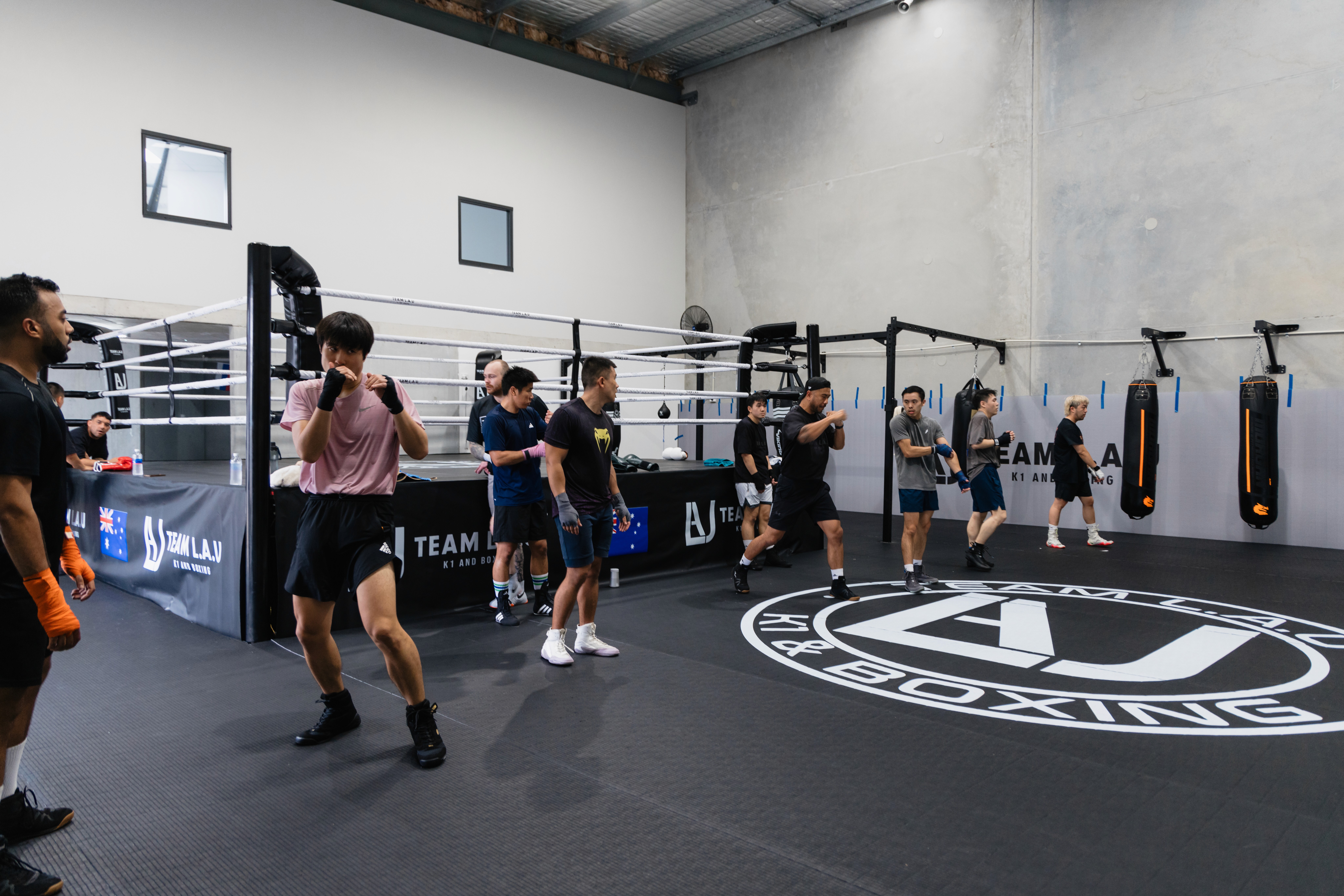
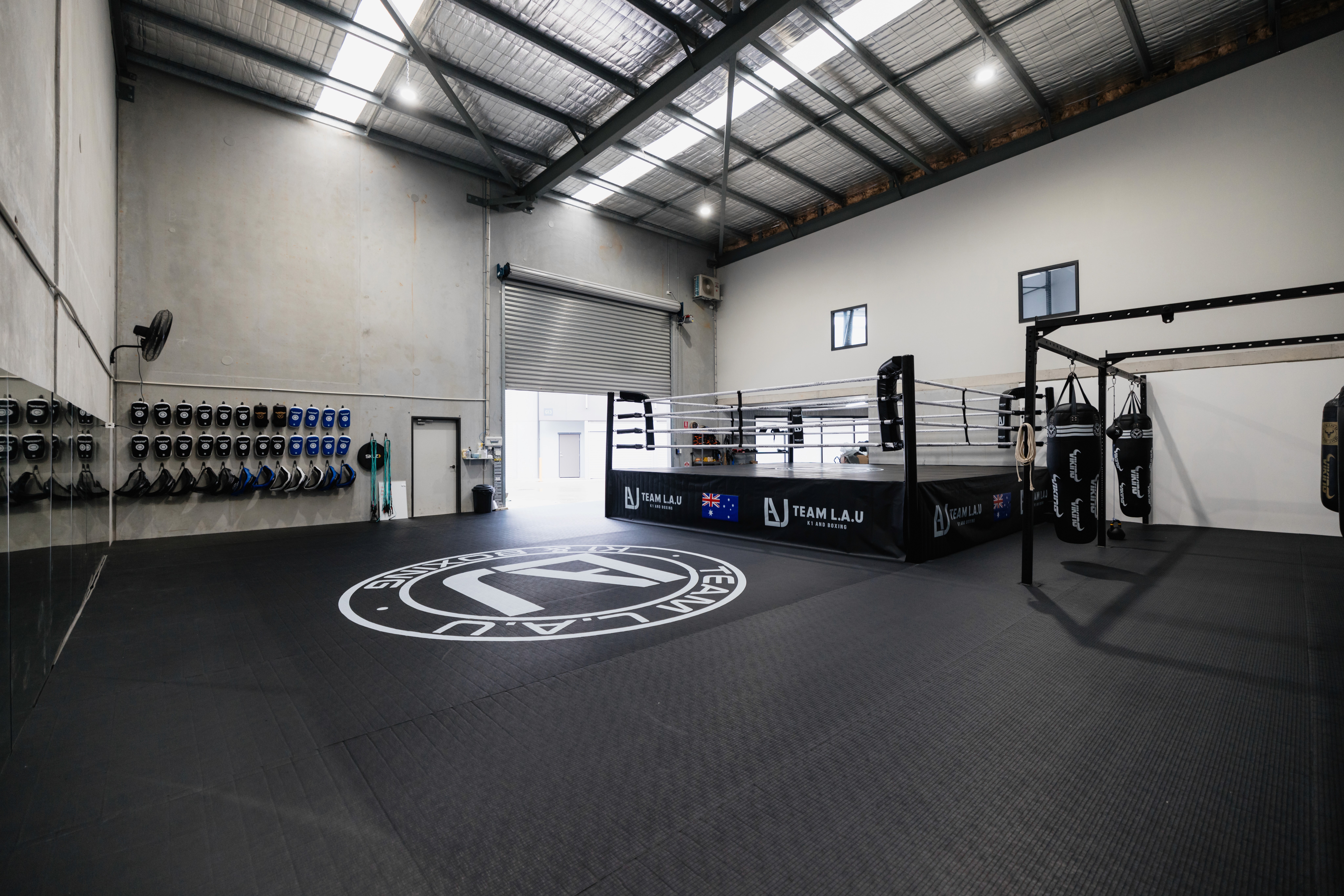
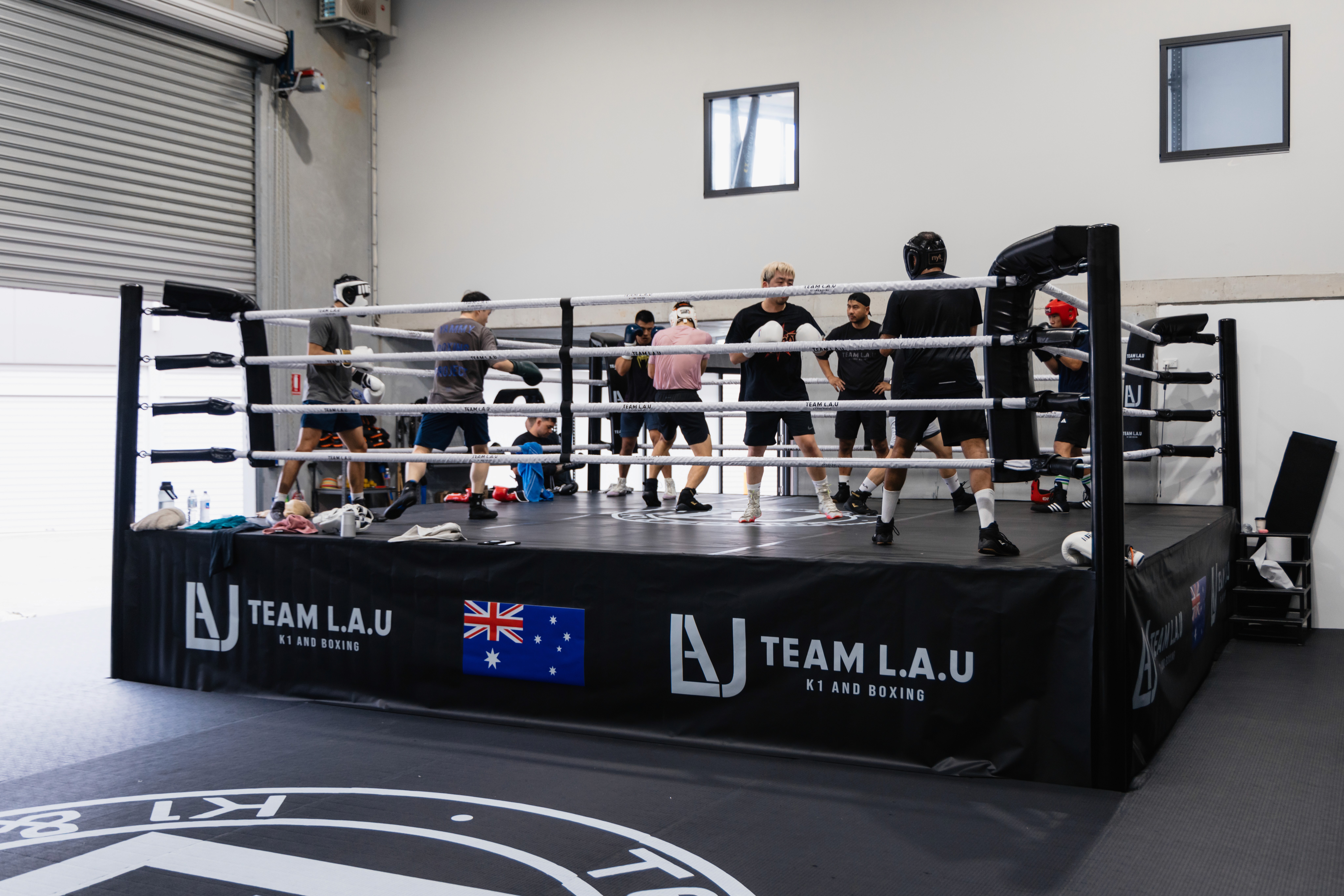
At Team L.A.U Boxing & Kickboxing in Homebush West, we offer dedicated beginner classes separate from our intermediate and advanced sessions. This means your first classes will be alongside other people at a similar level — not thrown into a room full of experienced fighters.
We're conveniently located for members across Sydney's Inner West including Strathfield, Burwood, Rhodes, Lidcombe, Concord, and Auburn.
Step 2 — Get the Basic Equipment
You don't need to spend a lot of money before your first boxing class. For your very first session, all you need is:
Comfortable workout clothes (shorts or tights, a t-shirt)
Supportive cross-training or boxing shoes (avoid thick-soled running shoes)
A water bottle
A sweat towel
Team L.A.U has loaner gloves and hand wraps available for new students, so you can try your first class before committing to buying your own gear.
Once you decide to train regularly, here's what to buy:
Hand wraps — Essential. They protect your knuckles and wrist joints from impact. Cotton or Mexican-style wraps (4.5 metres) are ideal for beginners. Cost: $15–$25.
Boxing gloves — Your most important piece of equipment. For general training, 12oz gloves suit lighter individuals; 14oz–16oz for most adults. Look for quality brands like Fairtex, Hayabusa, or Everlast. Cost: $60–$150.
Mouthguard — Required once you start any form of partner work or sparring. A basic boil-and-bite mouthguard is fine to start. Cost: $20–$40.
Shorts or compression tights — Anything you move freely in. No long pants.
You do not need headgear, a skipping rope, or any other equipment to start. Your coaches will let you know when and if you need additional gear.
Step 3 — Know What to Expect in Your First Sessions
Your first boxing class will feel both challenging and exhilarating. Here's the typical structure at Team L.A.U:
Warm-up — Skipping, footwork drills, dynamic stretching, and light shadow boxing to raise your heart rate and loosen your joints.
Technique instruction — Your coach will walk you through the foundational elements of boxing: your stance, your guard position, and the four basic punches — jab, cross, hook, and uppercut. Don't worry about getting it perfect immediately. That's what the next several sessions are for.
Bag work — You'll apply the combinations you've learned on the heavy bags. This is where you start to feel the physical intensity of boxing training.
Conditioning — Many sessions include bodyweight conditioning circuits such as push-ups, sit-ups, squats, or burpees to develop overall fitness alongside technical skill.
Cool-down — Every session ends with a structured cool-down and stretch.
Your first session will probably feel intense. Your arms may tire faster than expected, your footwork may feel uncoordinated, and you'll likely be breathing hard after the first round on the bags. This is completely normal. Experienced boxers felt exactly the same on day one.
Step 4 — Build Your First Month
Here's a realistic training plan for your first four weeks of boxing:
Week 1–2: Two to three sessions per week. Focus entirely on absorbing the basics — stance, guard, the four punches, and basic movement. Don't worry about speed or power yet.
Week 3–4: Three to four sessions per week. You'll start to feel your combinations becoming more natural. Your fitness will noticeably improve. Start working on defence — slipping and rolling — alongside your offensive technique.
By the end of week four, most beginners have a solid foundation in the fundamentals and are ready to start working on combinations and more dynamic movement.
Step 5 — Commit to Consistency
The single most important factor in your progress as a boxer — and in achieving any fitness goal — is showing up consistently. Two solid sessions per week, every week, will produce better results than five sessions one week and none the next.
At Team L.A.U, we've built our timetable to give you as much flexibility as possible — with morning, lunchtime, and evening sessions across Monday through Saturday. There's always a time that works.
View the full Team L.A.U timetable
How Much Does Boxing Training Cost in Sydney?
Team L.A.U offers flexible membership options designed to suit different budgets and commitment levels:
Month-to-month: $80/week — maximum flexibility, no lock-in
6-month membership: $70/week — save $10/week
12-month membership: $60/week — best value, no sign-up fee